For many families, the goal is simple: help a loved one remain at home for as long as possible. Home care can provide valuable support, allowing older adults to maintain independence while receiving assistance with daily tasks. However, there often comes a point when home care alone may no longer meet a senior’s physical, emotional, or medical needs.
Recognizing when additional support is necessary can be difficult. Families may struggle with feelings of guilt, uncertainty, or fear of making the wrong decision. The reality is that moving to an assisted living community or skilled nursing facility is not about giving up independence—it is about ensuring safety, improving quality of life, and providing the right level of care at the right time.
Here are some of the most common signs that it may be time to transition from home care to assisted living or skilled nursing care.
Frequent Falls or Safety Concerns
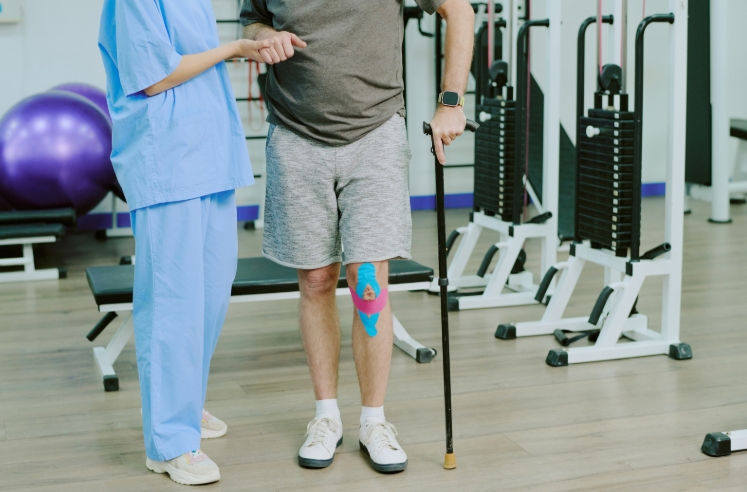
One of the clearest indicators that additional care may be needed is an increased risk of falls. Even a single fall can have serious consequences for older adults, leading to injuries, hospitalizations, and a loss of confidence. Families may notice unexplained bruises, mobility challenges, difficulty navigating stairs, or a growing fear of walking without assistance. Falls are among the leading causes of injury for seniors, making safety a critical consideration when evaluating care options.
Assisted living communities and skilled nursing facilities are specifically designed with senior safety in mind. Features such as accessible bathrooms, handrails, emergency response systems, and around-the-clock staff support can significantly reduce risks and provide peace of mind.
Difficulty Managing Daily Activities
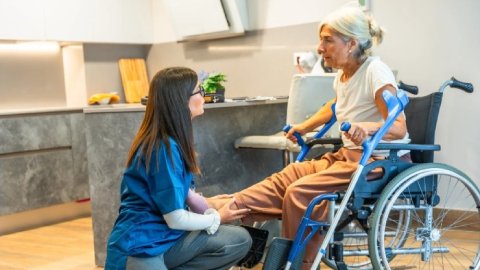
As people age, routine tasks can gradually become more challenging. Activities of daily living – often called ADLs – include bathing, dressing, grooming, meal preparation, and personal hygiene. When these activities become overwhelming or are regularly neglected, it may indicate that more consistent assistance is needed.
Perhaps Mom is wearing the same clothes repeatedly, or Dad is struggling to prepare meals. Maybe household chores are piling up, or personal grooming has noticeably declined. These changes often happen slowly, making them easy to overlook at first.
The right care environment can provide support while still encouraging as much independence as possible.
Medication Mistakes and Health Management Challenges
Managing multiple prescriptions can be complicated, especially for seniors living with chronic conditions. Missed doses, accidental double doses, forgotten refills, or confusion about medication schedules can lead to serious health complications.
If family members are increasingly concerned about medication management or find themselves making frequent trips to organize pill boxes and monitor prescriptions, it may be time to consider a setting where medication assistance is available daily.
In skilled nursing environments, licensed professionals can oversee medications, monitor health conditions, and quickly identify changes that require medical attention.
Unexplained Weight Loss or Poor Nutrition
Proper nutrition plays a vital role in maintaining health, strength, and recovery. Unfortunately, grocery shopping, meal planning, cooking, and cleaning can become difficult for many older adults.
An empty refrigerator. Expired food. Weight loss. A reliance on snacks instead of balanced meals.
These can all signal that nutritional needs are no longer being met consistently. Poor nutrition can contribute to weakness, increased fall risk, slower healing, and declining overall health.
Assisted living and skilled nursing communities provide regular, nutritious meals while also accommodating special dietary needs, helping residents maintain their health and energy levels.
Increasing Isolation and Loneliness
Physical health is only one part of the equation.
Social connection is equally important.
Many older adults experience isolation after retirement, the loss of a spouse, limited mobility, or health challenges. Over time, loneliness can contribute to depression, anxiety, cognitive decline, and worsening physical health.
If a loved one is withdrawing from activities they once enjoyed, avoiding social interactions, or spending most days alone, a senior living community may offer meaningful opportunities for engagement. Group activities, shared meals, wellness programs, and social events can help residents build friendships and maintain a sense of purpose.
Changes in Memory or Cognitive Function
Occasional forgetfulness is a normal part of aging. However, significant memory changes that interfere with daily life deserve attention.
Warning signs may include:
- Missing appointments
- Forgetting to pay bills
- Leaving appliances on
- Getting lost in familiar places
- Repeating questions frequently
- Increased confusion or disorientation
These changes can place seniors at greater risk when living alone. Cognitive decline often progresses gradually, making early intervention especially important.
A supportive care environment can provide structure, supervision, and assistance that promotes both safety and dignity.
Caregiver Burnout
Sometimes the biggest sign isn’t what is happening to the senior.
It’s what is happening to the caregiver.
Family caregivers often devote countless hours to helping loved ones manage medications, attend appointments, prepare meals, and handle daily tasks. Over time, this responsibility can become physically and emotionally exhausting.
Feelings of stress, anxiety, sleep deprivation, and overwhelm are common among caregivers. When caregiving responsibilities begin affecting a caregiver’s own health, relationships, or ability to work, additional support may be necessary.
Seeking professional care is not a sign of failure. It is often one of the most compassionate decisions a family can make.
When Skilled Nursing May Be the Better Option
While assisted living provides support with daily activities, some seniors require a higher level of medical care.
Skilled nursing care may be appropriate when a loved one needs:
- Ongoing medical monitoring
- Complex medication management
- Wound care
- Rehabilitation therapies
- Recovery support after hospitalization
- Assistance with multiple chronic conditions
Skilled nursing facilities provide 24-hour nursing oversight along with rehabilitation services such as physical, occupational, and speech therapy when needed.
Making the Decision Before a Crisis Occurs
One of the most common mistakes families make is waiting until a fall, hospitalization, or medical emergency forces a decision. By that point, options may feel rushed and limited. Experts consistently recommend exploring senior care options before a crisis occurs, allowing families and older adults to make thoughtful, informed choices together.
At Elderberry Healthcare, we understand that deciding to move from home care to assisted living or skilled nursing care is deeply personal. Our compassionate team is here to guide families through every step of the process, helping residents receive the support they need while preserving dignity, independence, and quality of life.
If you’re beginning to notice these signs in a loved one, now may be the perfect time to start the conversation. Planning ahead today can help create a safer, healthier, and more fulfilling tomorrow. Contact us today to learn more.