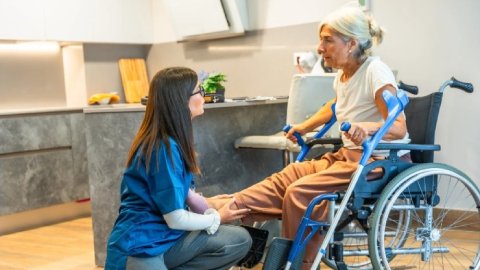
Hip and knee replacement surgeries can be life-changing in the best possible way. For many people, these procedures mean less pain, better mobility, and the chance to return to activities they once enjoyed. But while surgery is an important step, recovery is where the real work begins.
The days and weeks following joint replacement surgery are critical. Healing takes time, movement, guidance, and the right level of support. That’s why transitional rehabilitation plays such an important role in helping patients recover safely and confidently after surgery.
At Elderberry Health Care, transitional rehab is designed to bridge the gap between the hospital and home. Patients recovering from hip or knee replacement surgery receive personalized therapy, skilled nursing support, and encouragement every step of the way so they can regain strength and independence as quickly and safely as possible.
The First Few Days After Surgery
After a hip or knee replacement, it’s normal to experience soreness, swelling, stiffness, and fatigue. Many patients are surprised to learn that recovery starts almost immediately after surgery. In fact, movement often begins within the first 24 hours.
Your care team will typically encourage you to:
- Begin gentle movement and walking
- Practice exercises to improve strength and flexibility
- Manage pain and swelling
- Prevent complications like blood clots or falls
- Learn safe ways to sit, stand, and move around
This early stage of recovery can feel overwhelming, especially if you live alone or have limited help at home. That’s where transitional rehab can make all the difference.
What Is Transitional Rehab?
Transitional rehabilitation is short-term care designed to help patients recover after surgery, illness, or hospitalization before returning home. It combines skilled nursing care with physical, occupational, and rehabilitative therapies in a comfortable and supportive environment.
For joint replacement patients, transitional rehab focuses on restoring mobility, rebuilding strength, improving balance, and helping patients safely return to their daily routines.
At Elderberry Health Care, the rehab team works closely with each patient to create an individualized recovery plan tailored to their needs, goals, and pace of healing.
Why Transitional Rehab Matters After Hip or Knee Replacement
Recovering at home immediately after surgery may sound appealing, but many patients benefit from additional professional support during the early stages of healing.
Here are some of the biggest ways transitional rehab supports recovery:
Physical Therapy for Strength and Mobility
Physical therapy is one of the most important parts of joint replacement recovery. Therapists guide patients through exercises designed to improve flexibility, strengthen muscles, and restore range of motion around the new joint.
Consistency matters. Missing therapy sessions or avoiding movement due to discomfort can slow progress and delay recovery. In a transitional rehab setting, therapy becomes part of a structured daily routine that keeps patients moving safely and steadily forward.
For knee replacement patients especially, regaining flexibility and bending motion early can have a major impact on long-term success.
Help Preventing Falls and Injuries
After surgery, balance and coordination are often temporarily affected. Patients may also still be adjusting to walkers, canes, or other mobility aids.
Transitional rehab provides a supervised environment where patients can practice walking, climbing stairs, and performing daily activities safely. Skilled staff members are available to help reduce the risk of falls or reinjury during this vulnerable stage of recovery.
Pain Management and Medical Support
Pain management after surgery is important, but it also needs to be carefully monitored. Transitional rehab provides access to skilled nursing professionals who help manage medications, monitor healing, and address concerns before they become larger issues.
Patients recovering from joint replacement may also need assistance with wound care, swelling management, medication schedules, or monitoring for signs of infection. Having medical support readily available provides peace of mind for both patients and families.
Support With Daily Activities
Simple tasks like getting dressed, bathing, using the bathroom, or preparing meals can suddenly become challenging after surgery.
Occupational therapy helps patients safely regain independence with these everyday activities. Therapists may also recommend adaptive tools or techniques that make daily life easier while recovery continues.
The Emotional Side of Recovery
Joint replacement recovery is not only physical. Many patients experience frustration, anxiety, or emotional exhaustion during the healing process. Progress can sometimes feel slower than expected, especially during the first few weeks.
Having a compassionate care team and supportive environment can make a tremendous difference emotionally as well as physically.
At Elderberry Health Care, recovery is about more than exercises and therapy sessions. It’s about helping patients rebuild confidence and feel supported throughout the process. Our transitional rehab program is centered on restoring both independence and peace of mind.
Preparing for a Successful Recovery
Whether you are planning for an upcoming hip replacement or currently recovering from knee surgery, there are several ways to help support a smoother rehabilitation process:
- Follow your therapy schedule consistently
- Stay active within your doctor’s recommendations
- Keep up with prescribed medications
- Use mobility devices safely
- Focus on proper nutrition and hydration
- Ask questions when concerns arise
- Give yourself patience and grace during recovery
Healing is not always linear. Some days will feel easier than others. The important thing is continuing to make steady progress.
Getting Back to the Life You Love
The ultimate goal of joint replacement surgery is not simply healing the joint itself. It’s helping patients return to the activities and routines that matter most to them – walking comfortably, enjoying family gatherings, shopping independently, gardening, traveling, or simply moving through daily life with less pain.
Transitional rehabilitation provides the structure, therapy, and support needed to help make that possible.
At Elderberry Health Care, patients recovering from hip and knee replacement surgery receive compassionate, personalized care focused on helping them regain strength, mobility, and confidence so they can safely transition back home and back to living life fully.
Contact us today to schedule a tour.