
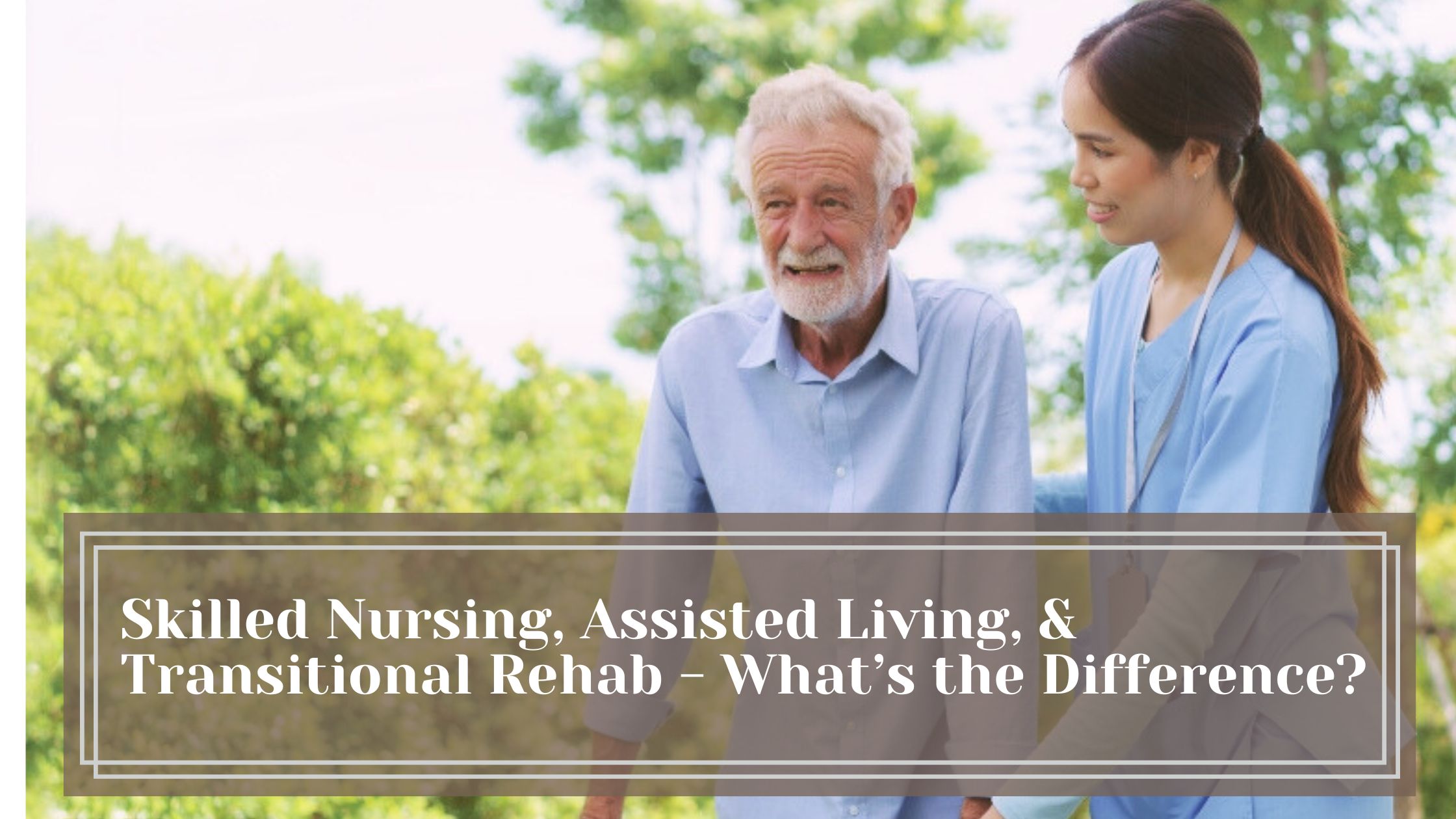
When it comes to senior healthcare, the terms “skilled nursing care,” “assisted living,” and “transitional rehab” get tossed around a lot. If you’re confused about what each one means and how they differ, you’re not alone. These services all offer various levels of care, but serve different purposes. Let’s break it down in simple terms.
Skilled Nursing Care: High-Level, Medical Attention
Skilled nursing care is like having a hospital in a home-like setting. It’s for people who need continuous, high-level medical care that can’t be provided at home. Whether it’s due to chronic illness, injury, or after surgery, these patients often require 24-hour supervision from registered nurses and certified professionals.
Think of it as a step below a hospital, but still heavy on the medical side. Patients in skilled nursing facilities in Asheville often need help with everyday activities like bathing, dressing, and medication management, but the focus is more on their medical needs. This could include wound care, IV treatments, or physical therapy after a major surgery. If you or a loved one needs constant medical oversight, skilled nursing is likely the best option.
It’s not just about medical treatments though—there’s also a significant emphasis on quality of life. Nursing staff often assist with personal care, while therapists help with mobility and strength exercises to keep patients as independent as possible.
Assisted Living: Support with Independence in Mind
Now, let’s talk about assisted living, where the environment is a little different. The goal here? Independence, but with some assistance when needed. Assisted living facilities in Asheville are designed for individuals who don’t need the 24-hour medical care of a skilled nursing facility, but still need help with daily activities like cooking, cleaning, or remembering to take medication.
Residents live in private or shared apartments and have access to staff who can assist when necessary. There’s typically a strong social component in assisted living. Group activities, communal dining, and outings are all part of the experience. These facilities are often a great option for seniors who want to maintain as much independence as possible while having the security of help nearby.
If you or a loved one can handle most things on their own but need occasional help, assisted living might be a good fit. It’s like having a personal assistant on standby. Need help getting dressed or managing your medications? They’ve got you. You can still enjoy your autonomy in your own apartment, which is a win-win.
Transitional Rehab: The Middle Ground
Finally, we’ve got transitional rehab, which sits somewhere between skilled nursing and assisted living. It’s not a permanent place for most people; think of it as a pit stop on your way to recovery after an illness, injury, or surgery.
Transitional rehab facilities in Asheville are designed to help you recover quickly so you can either return home or move to a less intensive care environment. The focus here is rehabilitation, with a mix of physical, occupational, and speech therapies. It’s all about helping you regain your strength and skills to get back on your feet—literally and figuratively.
For example, if you’ve had hip surgery, you might need a few weeks of therapy before you’re strong enough to return home. Transitional rehab offers that structured support. You’ll receive medical attention, therapy, and possibly even counseling, depending on your needs.
Which One is Right for You?
The choice between these types of care really boils down to what level of support you or your loved one needs. Here’s a quick summary:
- Skilled Nursing Care: For those needing full-time medical care and supervision.
- Assisted Living: Best for individuals who want independence but need help with daily activities.
- Transitional Rehab: Ideal for short-term recovery after an illness, surgery, or injury, focusing on rehabilitation.
If you’re still unsure, talking to a healthcare professional can provide some clarity based on specific needs. The key takeaway? Each option serves a unique purpose, and the right one depends on your current health, level of independence, and recovery goals.
Final Thoughts
At the end of the day, finding the right care is all about balance—what level of help you need, how much independence you want, and how to make sure you’re living comfortably. Whether you’re looking for a long-term solution or just a temporary stay, make sure you weigh your options carefully.
If you ever feel overwhelmed by all these choices, that’s normal! Navigating healthcare isn’t always easy, but understanding these options brings you one step closer to finding the perfect fit for you or your loved one.
For more detailed information on these care options, please do not hesitate to reach out to Elderberry Healthcare. Contact us – we are always here to help.